
Westchester & Putnam County Estate Planning Lawyer
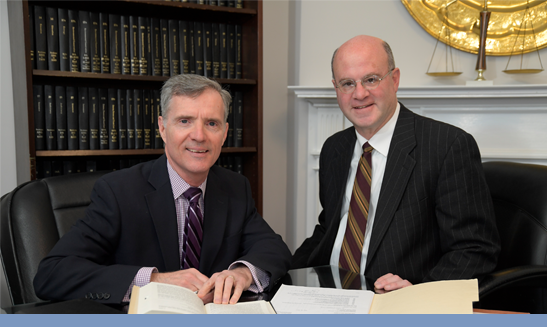
The Westchester & Putnam County estate planning lawyers of Meyer & Spencer, PC provide personalized, attentive, and astute legal services throughout New York.
Family dynamics can change quickly, affected by marriage, divorce, children, health, relocation, business decisions, and so on. When they do, it is important to make sure you remain prepared for the future transfer of your property and assets. To preserve your wealth to the greatest extent possible, it is necessary to work with an experienced lawyer who will understand your situation, your objectives, and who will keep you and your family financially secure in the face of change. At Meyer & Spencer, PC, we help clients implement strategies to address all life may hold in store. Since 1993, our attorneys have counseled clients in the Westchester and Putnam areas in a range of legal matters that include estate planning and trusts, elder law, Medicaid planning, real estate transactions, probate and estate administration, guardianships, and more.
Because every family is different, it takes detailed planning to accomplish your goals. Our law office can guide you effectively in making the right arrangements for your unique situation. As a boutique law firm with a focused practice in elder law, trusts and estates, and real estate transactions, we have an in-depth understanding of these areas, so you can be confident you’re getting the full picture when it comes to choosing the best instruments for protecting and transferring your assets. From simple wills for newlyweds and young families to revocable living trusts for those seeking to avoid probate, our attorneys provide advice tailored to your circumstances. In some cases, we recommend more complex trusts, including life insurance trusts, irrevocable trusts, and credit shelter trusts. Our Westchester & Putnam County estate planning lawyers have the knowledge and experience to choose and set up these trusts properly.
Since our inception, Meyer & Spencer, PC has been committed to giving each client personal attention. In addition to excellent service, our lawyers and long-time support staff bring more than 50 years of combined experience to our clients. With attentive representation and proven skill in our practice areas, we provide meaningful legal advice and counsel that makes a difference in our clients’ lives and in the lives of the loved ones they leave behind. To schedule a consultation with one of our Westchester & Putnam County estate planning lawyers, please call (941)741-2288 today, or request an appointment online. All of our legal services are available in Westchester, Putnam, Rockland, Orange, Dutchess, Bronx, and New York counties. We look forward to hearing from you!